
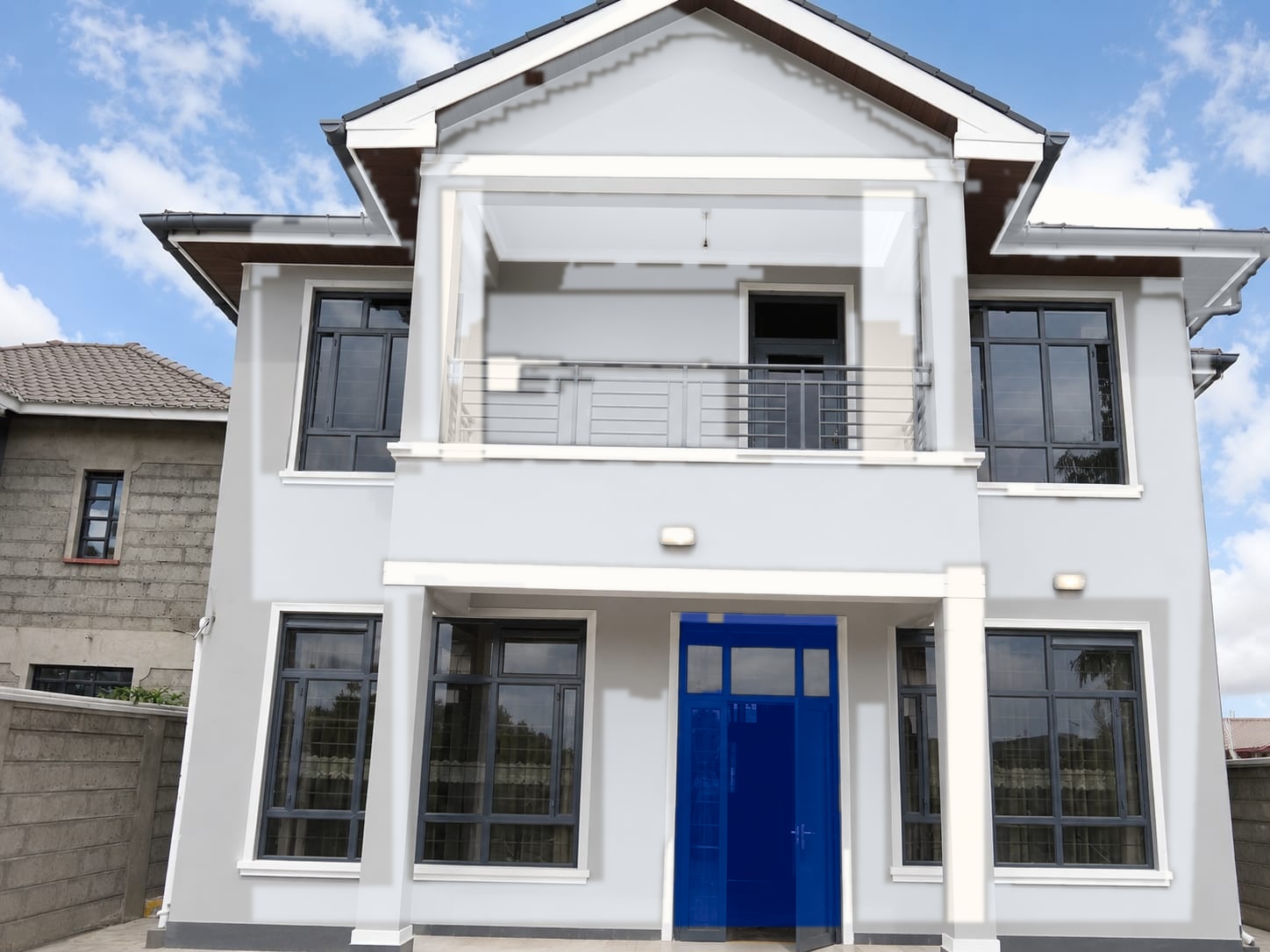
Executive Guide Overview
A comprehensive architectural manual detailing which exterior paint colours survive intense Kenyan UV exposure, how to construct balanced 3-colour facade palettes, and how to select weather-shield coatings that resist coastal salinity, red dust, and heavy monsoon rains.
Key takeaways
- Choose the coating and colour together for the property's exposure and region.
- Test large samples in morning, midday, afternoon, and evening light.
- Use the 60-30-10 rule as a starting point, then adapt it to fixed materials.
Read this guide in sections
1. The Science of Equatorial UV Radiation & Pigment Degradation
Kenya sits directly on the Equator and receives some of the highest solar irradiance and Ultraviolet Index (UVI) levels in the world, frequently exceeding UVI 11 in cities such as Nairobi, Nakuru, Eldoret, and Machakos. Sunlight is an abundant blessing, but it is also the primary adversary of exterior architectural coatings.
Ultraviolet radiation consists of high-energy photons that attack the chemical covalent bonds within paint binders and pigment molecules. When sunlight breaks these bonds, two distinct failure modes occur:
Photo-oxidative chalking occurs when the acrylic resin degrades into a loose white powder on the surface, making the colour look faded, chalky, and washed out.
Pigment photolysis occurs when organic colour pigments, such as bright yellows, saturated reds, and vivid purples, break down under UV exposure and lose chromatic intensity.
To support a long exterior service life, Yubla Paints uses inorganic mineral pigments such as micronized iron oxides, rutile titanium dioxides, cobalt aluminates, and chromium oxides. These pigments have stable crystal structures that resist solar photodegradation and help maintain their true tone over time.
Earth tones, warm sands, greys, terracottas, and ochres are naturally formulated with inorganic mineral oxides. They withstand Kenyan equatorial sunlight up to 400% longer than vivid organic bright reds or neon accents.
2. Regional Climate Zones Across Kenya & Coating Selection
Kenya encompasses diverse microclimates, each demanding specific paint formulations and colour strategies:
| Geographic Region | Key Environmental Challenges | Optimal Colour Strategy | Recommended Yubla System |
|---|---|---|---|
| Nairobi & Central Highlands | High elevation UV, intense dry season heat, temperature swings, red volcanic dust. | Warm Sand, Ash Grey, Soft Stone, Amber accents. | Tuff Tex Wallcoat / WeatherShield 100% Pure Acrylic. |
| Coastal Belt (Mombasa, Malindi, Diani) | Marine salt aerosols, 85%+ relative humidity, intense thermal solar load, driving monsoon rain. | Cloud White, Chalk, Sea Spray, Soft Stone, Marine Blue doors. | Anti-Chloride Salt Shield System + Pure Acrylic Silk Sheen. |
| Rift Valley (Nakuru, Naivasha, Eldoret) | Strong afternoon solar wind, alkaline dust, thermal expansion stress. | Warm neutrals, Ochre, Desert Sand, Cocoa trim. | Elastomeric Crack-Bridging Wallcoat. |
| Western & Lake Region (Kisumu, Kakamega) | High humidity, frequent convectional thunderstorms, organic fungal & algae spore growth. | Muted Sage, Forest, Ash Grey, Deep Charcoal accents. | Fungicidal & Algaecide Reinforced Exterior Emulsion. |
3. The Architectural 60-30-10 Exterior Colour Rule
Professional architects and exterior designers adhere to the 60-30-10 rule to create harmonious, visually commanding facades that elevate kerb appeal and property value:
60% dominant base colour for the main walls and elevations. This forms the structural backdrop of the house, so choose dependable, weather-stable hues such as Yubla Warm Sand, Ash Grey, or Soft Stone.
30% secondary coordinating colour for pillars, balconies, gables, and roof fascia. Clean neutrals such as Cloud White or Chalk highlight cornices, window surrounds, and entrance porticos.
10% vibrant accent colour for the front door, security gates, or architectural louvres. A carefully chosen Yubla Blue, Rich Cocoa, or Amber gives the home a memorable focal point.
4. Curated Yubla Exterior Palettes for Kenyan Homes
To streamline selection, Yubla colour stylists have engineered five signature exterior palettes tested against local lighting conditions:
| Palette Collection | Dominant Wall (60%) | Coordinating Trim (30%) | Accent Door/Feature (10%) | Architectural Character |
|---|---|---|---|---|
| Modern Yubla Signature | Yubla Blue | Cloud White | Cocoa | Prestigious, bold corporate-residential statement. |
| Warm Coastal Sand | Warm Sand | Chalk | Amber | Inviting, sun-kissed, dirt-resistant elegance. |
| Urban Minimalist | Ash Grey | Soft Stone | Yubla Blue | Sleek, contemporary, highly sought in gated estates. |
| Safari Earth | Amber and Terracotta | Warm Sand | Cocoa | Organic African landscape harmony, disguises dust. |
| Golden Hour Glow | Golden Hour | Cloud White | Cocoa | Radiant warmth in morning and sunset illumination. |
5. Light Reflectance Value (LRV) & Thermal Energy Efficiency
Light Reflectance Value (LRV) measures the percentage of visible light that a painted surface reflects versus absorbs, on a scale from 0% (pure absolute black) to 100% (pure reflective titanium white).
In hot equatorial climates, colours with high LRV (above 60%, such as Cloud White and Warm Sand) reflect substantial solar infrared heat. This keeps building interiors 3°C to 5°C cooler during hot midday hours, lowering air conditioning expenses in urban villas. Dark colours with low LRV (below 25%, such as deep charcoal or dark brown) absorb heat, causing thermal expansion cycles that stress underlying plaster.
Use the Yubla AI Visualizer to preview high-LRV body colours with dark accent features to achieve optimal thermal efficiency and sophisticated contrast.
6. How to Test Swatches Under Kenyan Natural Light
Never select an exterior colour from a smartphone screen or a tiny paper card under indoor showroom fluorescent lighting. Fluorescent light has a completely different colour rendering index (CRI) than natural equatorial daylight.
Follow this professional 3-step swatching procedure:
1. Purchase 1-litre sample cans of your top two colour contenders.
2. Paint a 1m × 1m square test patch on both the East-facing wall (morning sun) and the West-facing wall (harsh afternoon sun).
3. Observe the patches at 8:00 AM, 1:00 PM, and 6:00 PM over two days. Notice how warm sands appear creamy in the morning and richer amber in late afternoon.
7. Matching Colour to Roofs, Plinths, Gates, and Neighbourhood Context
The wall colour is only one part of an exterior palette. Start with fixed elements that will not be repainted soon: the roof, stone cladding, paving, window frames, tiles, and the colour of the neighbouring boundary walls. A cool grey can look clean beside a charcoal roof but bluish beside warm red tiles. Warm Sand can calm a red-dust environment, while a very pale cream may need a darker plinth to stay practical near splashback and foot traffic.
Use the plinth as a working zone rather than an afterthought. The lower 300 to 600mm of a wall receives muddy splash, grass clippings, and dust thrown up by passing vehicles. A slightly deeper version of the body colour, Soft Stone, or Cocoa can protect the visual line without making the house look striped. Keep the transition aligned with steps, window sills, or a natural architectural break. Avoid a narrow dark band that makes a tall house appear squat.
Gates and doors are an opportunity for identity, but they should support the architecture. Yubla Blue makes a confident accent against Cloud White or Warm Sand; Cocoa sits comfortably with earth tones; Amber works best in controlled areas such as a front door rather than every metal grille. In a multi-unit estate, check the management rules and view the palette from the road, not only from a close-up phone screen.
For rental properties, prioritize colours that photograph well, hide ordinary dust, and are easy to reproduce between tenants. For a family home, test how landscaping and evening security lights change the palette. A good scheme survives both a bright Kenyan noon and the cooler, artificial light used at the gate after sunset.
8. Exterior Colour Selection Checklist for a Real Kenyan Project
Before buying the full quantity, walk around the property and answer these questions: Which elevation receives the harshest afternoon sun? Where does rainwater run down the wall? Is the surface smooth plaster, rough stone, or a previous textured coating? Will dust from an unpaved road be visible on a very light tone? Are there trees or leaking gutters that create a damp, shaded microclimate? These observations affect both the colour and the coating system.
Paint large sample boards or 1m by 1m patches, label every patch with the colour code, and view them at different times. Leave the patches through at least one wet and one dry day if your schedule allows. Look from five metres away and from the road. Check whether the chosen contrast still feels balanced when doors are open, security lights are on, and the garden is in view. Never approve a colour solely from a digital swatch because screens vary in brightness and calibration.
Finally, write a handover note: colour code and finish for each elevation, product used, batch number, number of coats, and the date applied. This small record helps a future owner, caretaker, or painter reproduce the shade after a plumbing repair. It also prevents the common mistake of using interior emulsion on an exposed facade simply because its colour appears similar.
If a facade is damp, chalking, or cracked, solve the substrate and water problem before judging a colour. A premium shade applied to an unstable surface will still fail visibly.
9. Choosing Finish and Maintenance for Different Regions
In Nairobi and the central highlands, a durable acrylic system with a washable finish is practical for dusty facades and busy roads. In Mombasa, salt-laden air makes sound preparation, clean water rinsing, and a compatible weather-resistant coating more important than choosing the darkest or brightest shade. In Kisumu and the western region, allow for shaded, humid walls where algae can establish; improve drainage and ventilation around the building as well as selecting an appropriate exterior product.
Colour decisions are therefore maintenance decisions. A white facade may reflect heat beautifully but need more frequent washing at a busy road. A mid-tone Warm Sand may disguise dust while still keeping the interior comfortable. Dark accents can be striking, yet large dark planes are less forgiving of chalking and thermal movement. Balance appearance, exposure, cleaning access, and the realistic repainting budget before committing.
10. Colour Psychology and Proportion in Common Kenyan House Types
A colour scheme should respond to the scale and character of the building. On a compact bungalow, a light body colour with a slightly deeper plinth can make the walls feel broad without making the house look washed out. On a tall maisonette, a consistent body colour helps the elevations read as one form, while carefully placed colour on balconies, columns, or a gable adds depth. Painting every projecting element a different shade usually creates visual noise and makes repairs harder.
For a family compound, consider how the house sits behind the boundary wall. If the gate and wall are dominant from the road, connect them to the main facade with one shared accent rather than creating a second palette. A blue gate, blue entrance door, and small blue sign can be enough. If the compound contains several buildings, use the same trim and plinth colours while allowing bedrooms, staff quarters, or a detached office a quieter body tone.
Colour also affects how people use rooms. Warm neutrals can make a shaded veranda feel welcoming; pale cool tones can make a sun-filled facade feel calmer. Strong orange or yellow accents draw attention to an entrance, so use them where visitors should naturally look. In a commercial frontage, check legibility of signage and the way the colour interacts with brand requirements before covering the entire elevation.
Do not confuse a fashionable palette with a durable decision. Trends change faster than exterior coatings need to be renewed. Choose a base that you can live with for several years, then express personality through a door, shutters, planting, or furniture that can be changed at lower cost than a whole facade.
11. Exterior Colour Approval Checklist for Estates and Commercial Buildings
For a maisonette estate, apartment block, school, shop, or office, approval needs more than one person's phone preview. Prepare a simple elevation sheet showing the body, trim, plinth, doors, gates, and any feature band. Add the colour codes and product finishes. Pin large sample boards beside a window and photograph them at the same exposure on different sides of the building. This gives an owner, committee, or facilities manager something concrete to review.
Check practical visibility. A very dark gate can show salt marks at the coast; a white plinth beside an unpaved parking area can demand constant washing; a low-contrast combination may make steps and entrances harder to find at night. Consider accessibility, security lighting, heat gain, and how delivery vehicles or dust affect the lower walls. If the building is used by children or the public, prefer robust washable areas at hand height and avoid relying on delicate matt finishes in circulation zones.
Order a final sample after the coating system is confirmed. The same colour can look different in matt, silk, textured, and gloss finishes because texture scatters light. Keep the approved sample, batch details, and a written elevation schedule. During application, inspect the first completed wall before the entire building is coated. It is much easier to adjust a palette after one test elevation than after several hundred square metres.
When the project is complete, photograph each elevation and record the date, weather, preparation, primer, topcoat, and number of coats. This handover file turns a one-time colour choice into a maintenance asset. It helps a caretaker identify whether a later mark is dirt, algae, fading, or a water problem, and it allows matching paint to be ordered without guessing from memory.
A colour code has no finish, substrate, or exposure by itself. Approve the exact product, sheen, preparation, and application schedule alongside the sample.
12. A Simple Palette Brief to Give Your Painter
Write the approved palette in plain language: main body colour and finish, trim colour and finish, plinth colour and height, door and gate accent, and any feature wall or gable. Attach a photograph of the sample patches and list the product codes. Mark each elevation on a rough sketch so a painter does not have to interpret a verbal instruction such as ‘make the front darker’. If a colour is to continue around a corner, say so explicitly.
Include the practical notes that affect appearance: walls must be washed and primed, cracks repaired, gutters fixed, and the first elevation approved before the rest begins. Record the batch number when material arrives. This brief protects the design from substitutions made under time pressure and makes future touch-ups far more accurate. It is useful for a homeowner, a contractor, an estate committee, or a facilities team managing several buildings.
Once the brief is signed off, resist last-minute changes based on a wet wall or a single evening view. Let the test area dry, compare it in natural light, and change the plan deliberately if necessary. A short written approval is cheaper than repainting a full facade because the trim was interpreted differently from the original intention.
The best exterior colour is the one that looks intentional, suits the local climate, and remains manageable to maintain. Use Yubla's visualizer to explore options, then use real samples and a written schedule to make the final decision with confidence.
13. The Decision in One Sentence
Choose the colour that works with your fixed materials, reflects the light and heat of your region, suits the way the building is used, and can be maintained with the products and budget you can realistically provide. That principle is more reliable than copying a palette from a different climate or approving a tiny digital swatch.
If two colours still compete after sampling, choose the quieter body colour and reserve the stronger one for a door or gate. It is easier to refresh a focused accent than a full elevation, and a restrained base gives future owners more flexibility. Confirm the decision in writing with the exact code, finish, and elevation before ordering the complete quantity.
Remember that facade colour is seen in context: against red soil, concrete paving, green planting, roof sheets, security lights, and neighbouring buildings. Step back from the sample and ask whether the whole property feels balanced. The strongest palette is not necessarily the loudest one; it is the one that makes the architecture, entrance, and surroundings read clearly throughout the year.
When you are ready to plan the work, use the Yubla colour visualizer to preview the finish on your own home, browse the Yubla paint catalogue for the right product, and connect with a verified painter through our professional painting services.
Frequently Asked Questions
Which paint colour is best for disguising red volcanic dust in Nairobi?
Warm neutrals such as Yubla Warm Sand, Soft Stone, and Muted Terracotta blend naturally with ambient airborne dust, keeping your facade looking immaculate between annual wash-downs.
Why do bright yellow and red paints fade so fast on outside walls?
Bright reds and yellows frequently rely on organic dye pigments with lower UV bond stability. When exposed to equatorial sunlight, these chemical bonds fracture. Choose earth-mineral tones like Amber, Golden Hour, or Ochre for guaranteed UV stability.
Is white paint practical for an exterior house in Kenya?
Yes, provided it is an ultra-washable pure acrylic emulsion like Yubla WeatherShield or Silk Vinyl. Whites reflect maximum heat and look stunning against tropical landscaping. Ensure high plinth splash zones are painted in a coordinating darker tone like Ash Grey or Stone.
Ready to Start Your Painting Project?
Preview authentic Yubla colours on your building or hire verified local painters today.